
by Canangela Boyd-Robertson
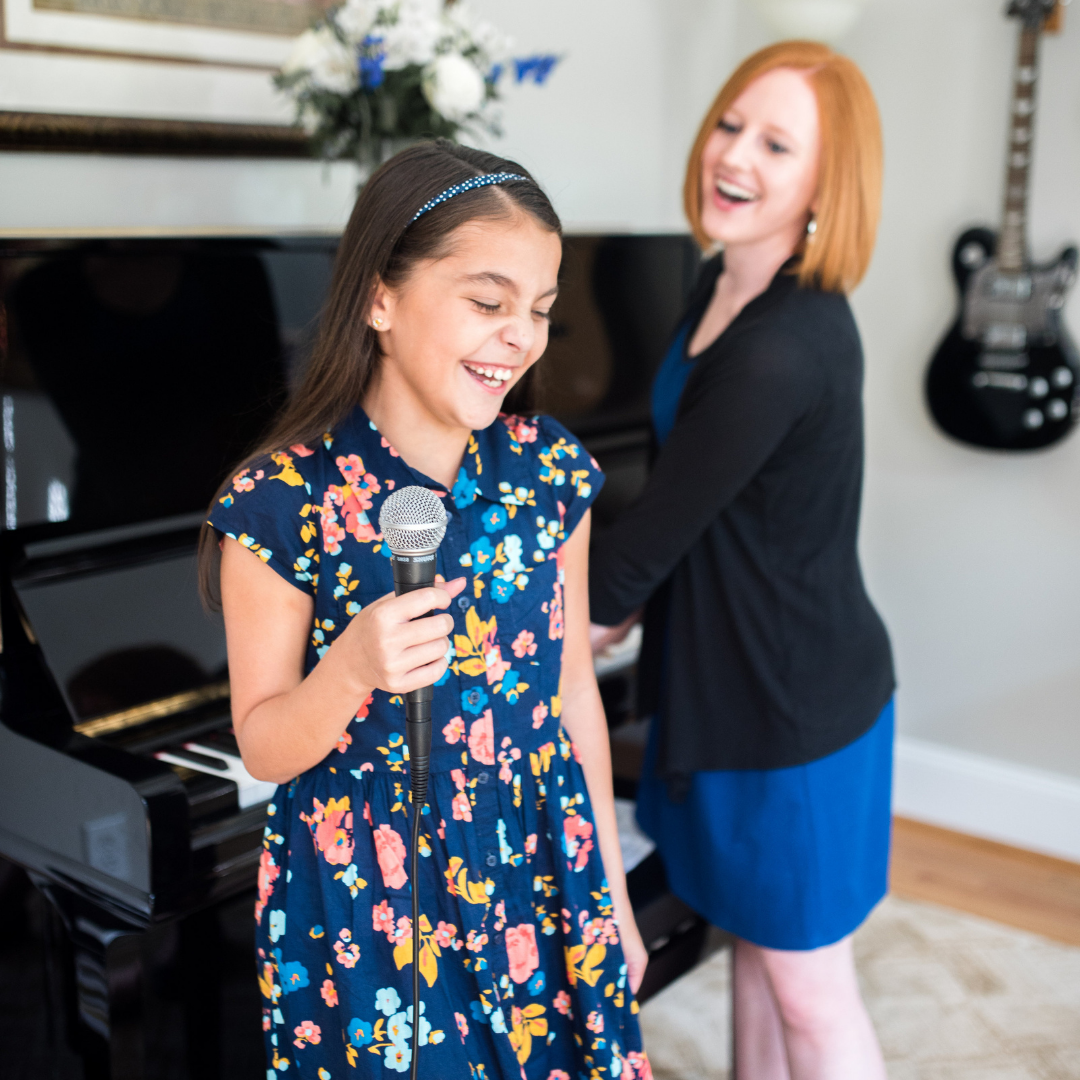
As a professional vocal coach and music educator, I have worked with young singers in a number of capacities, including children’s choirs, middle school and high school choirs, school productions, and private voice instruction.
One of the most common questions parents and voice teachers ask is how best to train a vocalist whose voice is still developing and undergoing rapid change. How do we help young singers grasp the more abstract concepts of singing? And do voice lessons ever cause more harm than good? These are thoughtful and important questions. In this article, I will address some of these concerns and offer suggestions to help parents make more informed decisions.
There was a time when many vocal instructors discouraged formal lessons for younger children, choosing instead to wait until singers entered their teenage years. Today, however, many young singers are enrolled in private voice lessons as demand for these opportunities continues to grow. Vocal teachers are responding by embracing new, age-appropriate ways to engage young singers. When teaching methods are thoughtfully designed and supported by other avenues for musical development, formal lessons can be a positive and enriching experience. When training young singers, a holistic approach is often the most effective. Let’s explore eight ways parents can support young singers on their musical journey.
Group Singing as a First Step
Group singing is a fantastic way to introduce young singers to the mechanics of singing in a relaxed, fun environment. School and community choirs led by directors trained to work with young voices offer singers the opportunity to develop good tone, pitch, blending, listening skills, and harmony, as well as essential vocal techniques such as proper breath support and developing range. Church choirs can also be a good option. Parents should be mindful if their younger singer sounds raspy or complains of discomfort after rehearsals. I have had many young singers come to voice lessons hoarse from over-singing, often without realizing the strain on their developing voices.
Supporting Singers Through Instrument Study
Studying an instrument is a wonderful step in supporting a young singer’s development. Instruments that allow a singer to sing and play, such as guitar and piano, can be especially supportive, though learning any instrument is an asset. Piano is often used as a reference instrument in vocal training because it allows singers to explore pitch, harmony, and range across both the treble and bass registers. Like many instruments, it can support musical understanding in unique ways. For young singers, developing basic skills on an instrument can be an important part of building strong musical foundations.
Expanding Musical Horizons Through Listening
Whether or not you envision your child becoming a musician, the benefits of listening to music are far-reaching. Research shows that music listening can support mental well-being, enhance brain health and memory, and even aid in pain management. When parents are intentional about music exposure from the infant years, these benefits can extend into a lifetime of growth and enjoyment.
Be intentional about exposing your child to a wide variety of musical genres and cultural traditions, including jazz, pop, classical, gospel, blues, R&B, Asian music, and Spanish music, among others. Listening across styles helps young singers develop a deeper musical understanding and a broader appreciation for the many ways music is created and shared around the world.
Learning Through Live Music Experiences
Live performances provide more than just a stimulating experience; they help young singers understand how performers engage an audience. The more young singers are exposed to live music, the more “language” they develop for their own performances. Attending live events allows children to observe stage presence, musical interaction, and the energy that comes from sharing music in real time.
Go see your favorite rock band. Go to the symphony. Go hear a gospel choir. Go see your favorite hip hop artist. Go hear a Spanish band. Go to the opera. Go hear a world music ensemble. Check out free community concerts at a park, college, or nearby venue. The key word is exposure.
Creating Consistent Musical Habits
Even if your child is not formally enrolled in music lessons, you can begin setting aside time each day for music. How much time you set aside will depend on your child’s age, but the most important factor is consistency. Setting aside 15 to 20 minutes a day to listen to music, explore instruments through free play, or watch a music-centered educational program helps young singers become accustomed to prioritizing music in their daily routine.
As singers develop the vocal skills needed to become well-trained, consistent practice can play an important role. The earlier young singers begin making time for music, the more easily they adapt to the expectations and structure of formal training later on.
If you’re wondering how music lessons might fit into your family’s routine, our team is always happy to help you explore options that meet your child where they are.
Supporting Practice Through Encouragement and Structure
Many parents begin their child’s journey into formal music lessons without realizing that they, too, are stepping into an important supporting role. For young children to thrive in formal lessons, parent involvement is essential. This often means being available to help ensure that key concepts are being practiced and reinforced at home.
Depending on a child’s age, parents may also need to practice with their child. Younger children are not typically able to structure their own practice time without assistance, and even teenagers benefit from accountability and encouragement. Establishing a consistent time for music practice before beginning formal lessons gives families an opportunity to build supportive routines and take a more hands-on role in the learning process.
Knowing When Your Child Is Ready for Formal Lessons
Every child’s musical journey looks a little different, and readiness for formal music lessons can vary widely. Some children naturally demonstrate early focus and engagement, while others benefit from guidance that helps them build those skills over time. At Metro Music Makers, we believe readiness is not just something a child has—it is something that can be nurtured through thoughtful, age-appropriate instruction.
Formal voice lessons can present unique challenges because vocal training involves abstract concepts that develop gradually. With the right approach, however, even younger children can begin learning in ways that are engaging, playful, and supportive of healthy vocal development. Attention span and focus are important considerations, but they are also skills that grow with experience, structure, and encouragement.
An evaluation with a vocal instructor experienced in working with young singers can be a helpful starting point. Rather than determining whether a child is “ready” or “not ready,” an assessment allows families and teachers to explore how best to support a child’s musical growth, identify appropriate goals, and choose an approach that meets the child where they are.
Being Your Child’s Cheerleader and Advocate
Over the years, I have worked with many adult students who carry the effects of chronic criticism, harsh comments, and punishment—particularly around music and performance. As a parent of a young singer, it’s helpful to keep the ultimate goals in mind: enjoyment, confidence, and personal growth.
Should we encourage consistent time for musical study? Yes. Should we take musical learning seriously? Absolutely. Should we strive for excellence in performance? Of course. At the same time, it’s important to keep expectations in healthy alignment and to support young singers in a spirit of love, encouragement, and consistency. When nurtured in a positive environment, music can build self-esteem and overall confidence that lasts a lifetime. Music truly is a gift that keeps on giving.
A Final Note for Parents
Every child’s musical journey is unique, and there is no single “right” path. What matters most is creating an environment where young singers feel supported, encouraged, and free to grow at their own pace. When music is approached with curiosity, consistency, and care, it becomes more than a skill—it becomes a source of confidence, connection, and lifelong joy.
At Metro Music Makers, we believe in meeting each child where they are and helping them discover what’s possible through music.
About the Author
Canangela Boyd-Robertson is a vocal coach and music educator with extensive experience working with young singers in both group and private lesson settings. She is a member of the Metro Music Makers teaching team and is passionate about supporting healthy, age-appropriate vocal development.