In Home Piano Lessons in Norcross, GA
Highly Experience Piano Teachers Come To Your Home in Norcross: Get Started
Metro Music Makers teaches piano students in Norcross of all ages and experience levels, and we love working with young beginners, teens with specific musical goals, and adults who are starting for the first time or returning after years away. Some students want a strong classical foundation, some want to play pop songs or learn chords, and others simply want holistic, skilled instruction on the instrument. Whatever the goal, we match each student with a teacher who fits their needs and build lessons that are personal, productive, and enjoyable. Forget challenging commutes along Holcomb Bridge Road during the after-school rush hour; you can enjoy world-class piano instruction in your home, on your schedule.
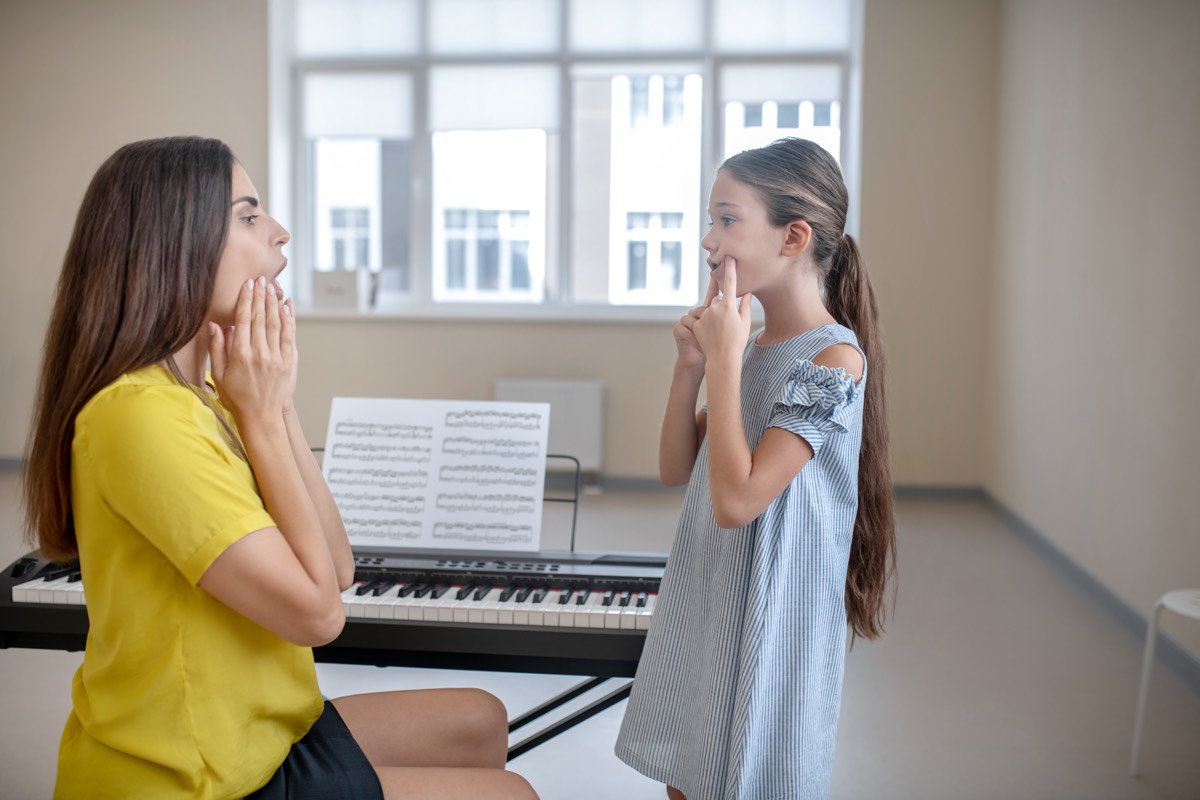
We work with piano students in Norcross, including Historic Norcross, Berkeley Lake, Peachtree Corners, and nearby neighborhoods. Some are just beginning with note reading, rhythm, and simple songs. Others are working on scales, pedaling, stronger technique, classical repertoire, chord playing, or favorite contemporary pieces. Each lesson is specifically shaped around the student’s age, experience level, and musical goals. In addition to weekly lessons, Metro Music Makers also gives families more ways to stay involved through student showcases, workshops, songwriting and recording opportunities, camps, and other programs that help students stay engaged and keep growing as musicians.
Get Information
We’ll respond right away.
If you are under 18, please have a parent or guardian fill out this form on your behalf.
"*" indicates required fields
Students Love Piano Lessons With Metro Music Makers
Do Piano Lessons Really Belong in the Home? Yes.
Built Around the Student’s Real Instrument
Piano lessons make unusual sense in the home because the student is learning on the exact instrument they will use all week. That matters more than people sometimes realize. Touch, pedal response, bench height, posture, and hand position all feel a little different from one instrument to another. When the teacher is sitting with the student at their own piano or keyboard, the lesson becomes more practical right away. Every adjustment carries directly into the next practice session.
This also gives families a clearer picture of what progress should look like between lessons. Parents can hear the difference between careful practice and distracted practice. Adult students can return to the same piece later that evening without having to translate the lesson from one setup to another. It keeps the whole process more direct.
Consistency Is Easier When the Lessons Are at Home
One reason students keep growing on piano is simple consistency. In-home lessons remove some of the friction that causes people to fall out of rhythm. There is no extra transition, no waiting room, and no feeling that piano is another trip to squeeze into the week. The lesson happens, the assignment is clear, and the student can come back to the instrument during the week without that mental disconnect.
For children, that often means a smoother routine. For teens, it can mean lessons fit more naturally around school, sports, and other activities. For adults, it often makes the difference between sticking with piano and putting it off again.
Piano Study for Different Ages and Goals
Early Piano Lessons for Children
Young children need more than a stack of beginner books. They need a lesson that keeps their attention, builds confidence, and teaches real musical habits from the start. We introduce rhythm, finger numbers, note reading, keyboard geography, and simple musical patterns in ways that feel manageable and clear. Students often begin with method books such as Faber Piano Adventures or Alfred’s Basic Piano Library, but the lesson is never just about turning pages. We want the child to understand what they are playing and feel successful as they go.
At this stage, even small things matter. Sitting well at the piano matters. Playing with a steady beat matters. Listening for whether the notes match the page matters. A child who learns those habits early has a much easier time later when the music becomes more demanding.
Middle School and High School Piano Lessons
Teen piano students often have a more defined musical identity. Some want stronger classical training. Some are interested in chord playing, worship music, film scores, or favorite contemporary songs. Some are preparing for recitals, auditions, accompaniment work, or theory-heavy classes. Others simply want lessons that feel more serious than what they had when they were younger.
This is often where technique and interpretation start to deepen. A student may work on scales in more keys, arpeggios, pedal control, voicing, phrasing, and longer repertoire. One student might play a Clementi sonatina, a Bach minuet, or a Chopin prelude. Another might learn how to read a chord chart, build a left-hand accompaniment pattern, and make a pop ballad sound musical instead of flat. We can support both paths without making the lessons feel generic.
Piano Lessons for Adults in Norcross
Adult students usually come in with a reason. Some have always wanted to learn and are finally ready to begin. Some played years ago and want to come back with more patience and better focus. Some want to play for personal enjoyment, while others have a specific goal such as learning hymns, accompanying themselves singing, improving their reading, or revisiting classical music they never got to explore fully.
Adult lessons should respect that goal from the start. We do not treat adults like overgrown beginners, and we do not assume everyone wants the same thing. One person may want to understand chords and harmony. Another may want to improve finger control and play more comfortably. Another may want to work carefully toward music by Beethoven, Chopin, or Debussy. The lesson should match the person.
What Students Learn at the Piano
Technique That Supports Real Playing
Technique is not just an abstract piano word. It is what lets a student play with control, ease, and a better sound. Depending on the student’s level, that may include hand shape, wrist freedom, finger independence, rotation, scales, arpeggios, balance between the hands, articulation, and pedaling. Good technique helps a student avoid unnecessary tension and makes new repertoire much easier to learn.
We also teach technique in context. A student does not need a long lecture on finger independence if they can understand it through the piece in front of them. A scale is more meaningful when it connects to the key of the music they are learning. Theory is more useful when it helps explain why a progression works or how a phrase is built. That practical connection is a big part of what makes piano study stick.
Reading, Rhythm, and Musical Understanding
Piano students need fluency, not just memorized pieces. That means learning how to read music well, count accurately, recognize intervals and patterns, and understand the structure behind what they are playing. Beginners may start with simple staff reading and basic note values. Intermediate students often move into more complex rhythms, key signatures, inversions, and harmonic patterns. Advanced students may work on shaping long phrases, understanding form, and making interpretive choices with more independence.
This is one reason piano is such a strong instrument for overall musicianship. It gives students a visual and physical way to understand theory, harmony, melody, and rhythm all at once.
Repertoire Can Go in Many Directions
Classical Literature and Traditional Study
For students who want a classical path, piano lessons can include a wide range of literature. Earlier students may work on Bach minuets, Burgmüller studies, or sonatinas by Clementi and Kuhlau. As students advance, they may move into Mozart, Beethoven, Chopin, Schumann, Debussy, or other major composers. That repertoire develops not just finger skill, but tone, phrasing, control, and musical maturity.
We can also support students who want a more formal path that includes recital preparation, Guild work, ABRSM or RCM style goals, or audition preparation. Some students thrive with that kind of structure and enjoy working toward a clearly defined standard.
Chords, Pop, Improvisation, and Contemporary Playing
Not every piano student wants a fully classical path, and that is perfectly fine. Many want to play songs they know, read lead sheets, understand chords, accompany a singer, or improvise more comfortably. Piano is excellent for that kind of work. Students can learn common progressions, voicings, left-hand accompaniment styles, blues patterns, worship playing, and the harmonic language behind contemporary music.
This path still involves real musicianship. The student is still learning rhythm, listening, structure, and control. The difference is that the repertoire and goals are coming from a different musical world. We enjoy teaching that side of piano as well.
More Ways for Piano Students to Stay Engaged
Showcases, Workshops, and Camps
Weekly lessons matter most, but they are not the only way a student grows. Metro Music Makers also gives students access to showcases, workshops, camps, and other opportunities that keep music active and social. A piano student who has something to prepare for often practices with more focus. A workshop can also open up a new area of interest, whether that is performance skills, theory, songwriting, or listening more carefully.
These added programs help students see that music is not just a private activity done alone at the piano. It can also be shared, explored, and developed in a larger community.
Songwriting and Recording Opportunities
Piano students are often naturally drawn toward songwriting because the instrument makes harmony and melody easy to see. A student can sketch out chords, experiment with a melody, and hear the structure of a song very quickly at the keyboard. For that reason, songwriting and recording opportunities can be a great fit for pianists who want to create as well as perform.
Some students use piano lessons as a doorway into original music. Others discover later that they enjoy arranging, writing, or recording ideas of their own. It is a valuable creative extension of piano study and one that fits the instrument especially well.
FAQ
What age is a good time to start piano lessons?
Many children can begin piano lessons around age four or five, though readiness depends on attention span, interest, and ability to follow basic directions. We also teach teens and adults, including complete beginners.
Do students need a real piano at home?
An acoustic piano is great, but a full-size digital keyboard with weighted keys can also work well, especially for beginners. We can help families think through what makes sense for their space and budget.
Can piano lessons include both classical music and popular songs?
Yes. Many students study a mix. A lesson might include reading, technique, and classical repertoire while also making room for chord playing, film music, worship music, or favorite songs.
Do you help with auditions and formal piano goals?
We do. We can help students prepare for recitals, auditions, Guild, ABRSM or RCM style work, and other more formal musical goals when that is the right fit for the student.
Are in-home piano lessons effective for serious students?
Yes. In many cases, they are especially effective because the student is learning on the same instrument used during the week. That makes the lesson more specific, more practical, and easier to carry into daily practice.

Piano

Voice

Guitar

Ukulele

Drums

Horns

Strings

Songwriting & Production